


The 23rd Northwest Patient Safety Conference
Safety by Choice, Not by Chance – Practical Tools to Elevate Patient Safety
October 15th and 16th, 2026
IMPORTANT CONFERENCE INFORMATION
If you haven’t received your conference confirmation code or conference emails, please contact wpsc@qualityhealth.org
SESSION CANCELLATION: October 15, 9:15 am PT
Erin Blakeney
Co-Producing Safer Care Through Shared Knowledge: Adapting, Implementing, and Evaluating Interprofessional Patient- and Family-Centered Rounds to Improve Safety and Experience
The conference will kick-off with the 20th U.S. Surgeon General, Dr. Jerome Adams
Presented in collaboration with the Oregon Patient Safety Commission and the BC Patient Safety and Quality Council
Welcome to our 23rd conference! The theme is “Safety by Choice, Not by Chance – Practical Tools to Elevate Patient Safety”. The conference will feature presentations demonstrating innovative and functional approaches to improve patient and staff safety from institutions and your peers. The speaker line-up is exceptional, and the topics were chosen with your input. This year we are focusing on practical approaches that will advance cultures of safety.
We provide accredited programming and CE credits for BCPA, CPHQ, CPHRM, CPPS and Nursing Contact Hours.
As always, the presentations are recorded and available for a year for everyone registered.
About the Northwest Patient Safety Conference
Now in its 23rd year, the Northwest Patient Safety Conference is the only event of its kind in the Western US, uniting healthcare professionals, providers, patients, families, and caregivers from all care settings for networking and engaging in sessions with industry thought leaders invested in improving the patient experience. It is a collaboration between the Washington Patient Safety Coalition, the Oregon Patient Safety Commission, and Health Quality B.C.
Members of the conference committee who are putting on this fantastic conference
Amelina Kassa
Anita Sulaiman Naomi Kirtner
David Birnbaum Rex Johnson
Farinaz Havaei Sydney Edlund
Jeff Goldenberg Susan Gidding
Krista Shackleford Valerie Harmon
Michael Anderson Yanling Yu
About the Washington Patient Safety Coalition
The Washington Patient Safety Coalition brings together a diverse group of participants to focus on achieving common patient safety goals. Our mission is to improve safety for patients receiving health care in Washington, in all care settings, with a vision of safe care for every patient, every time, everywhere. The WPSC is a program of the Foundation for Health Care Quality, a nonprofit organization dedicated to providing a trusted, independent, third-party resource to all participants in the health care community – including patients, providers, payers, employers, government agencies, and public health professionals.
This year’s conference is presented in collaboration with the Oregon Patient Safety Commission and Health Quality BC.
Conference Format: Virtual live presentations, you will receive a secure link to the conference presentations. If your schedule doesn’t permit attendance, no worries, the presentations are recorded for viewing for 1 year!
Dates and times: October 15 & 16, 2026, 7:45 am – 1:00 pm, Pacific Time
Total presentations: 12
Fees:
- Healthcare professionals and anyone seeking continuing educational credits, $85
- Patients, their families, their caretakers and healthcare profession students, Free
Discounts:
- $10 Discounts are offered for registrants with ACPE, CPHQ, CPPS, CPHRM, and BCPA professional certifications.
- Multi-person discounts. Discounts are automatically applied when you register 5 or more people at the same time. When you reach the next tier the discount increases. The highest appropriate discount is automatically applied to all being registered at check out.
Here are the discount tiers:
– 5 attendees: $68 per person, a 20% discount.
– 10 attendees: $59.50 per person, a 30% discount.
– 15 to 25 attendees: $46.75 per person, a 45% discount.
- Discounts may not be combined, sorry no “double dipping”.
Payments accepted: all major credit cards via PayPal.
Continuing educational credits: Attendees are eligible for Nursing Contact Hours, CPHQ, CPPS, CPHRM, and BCPA educational credits. These may be acquired by attending the live sessions or watching the recorded sessions* up to the next conference in October 2027. *Recorded educational credit availability is determined by the accrediting organization. PLEASE NOTE THE CREDIT AMOUNTS MAY CHANGE IF THE AGENDA CHANGES.
How to claim educational credits:
Live event: Attendees will request CE credits via a conference evaluation following the conference or via a form on the recorded conference website.
Recorded Presentations: Attendees will request CE credits via a form on the recorded conference website.
| Credit Type | Total Credits for Conference | Credits Available for Recordings |
| BCPA | 12 total 2 JEDI 1 Ethics 9 General The 2026 Northwest Patient Safety Conference is approved for 9 General, 1 Ethics and 2 J.E.D.I. CEs by the Patient Advocate Certification Board to satisfy the requirements for Board Certified Patient Advocates (BCPA) approval code 18661. |
Yes – up to the 2 JEDI, 1 Ethics and the 9 General. 12 Total |
| Nursing Contact Hours |
12.0 total available Approved by the California Board of Registered Nursing, Provider Number CEP 16359 for 12.0 contact hours |
Yes, up to the 12 total |
| CPHRM | 12 total This meeting has been approved for a total of 12.0 contact hours of Continuing Education Credit toward fulfillment of the requirements of ASHRM designations of FASHRM (Fellow) and DFASHRM (Distinguished Fellow) and towards CPHRM renewal. |
Yes, up to the 12 total |
| CPHQ | 12 total This activity/program is approved by NAHQ® for 12 CPHQ CE credits |
Yes, up to the 12 total |
| CPPS | 12 total This activity meets the criteria of the Certification Board for Professionals in Patient Safety for up to 12.0 CPPS CE hours. |
Yes, up to the 12 total |
Advancing Health in Turbulent Times - Dr. Jerome Adams, 20th US Surgeon General
Dr. Adams, the 20th US Surgeon General, will give a “fire side chat” to open the conference. You’re encouraged to submit a question or topic before the presentation by emailing WPSC@qualityhealth.org, Subject: Dr. Adams.
Learning Objectives:
- Explore impact of social, economic, and healthcare system challenges on patient outcomes and provider well-being during periods of uncertainty and change.
- Identify strategies to improve resilience, adaptability, and equitable healthcare delivery in rapidly evolving clinical environments.
- Discuss innovative approaches and collaborative solutions that promote sustainable health advancement for patients, providers, and communities during turbulent times.
Beyond the National Healthcare Safety Network (NHSN) Definitions: Looking at harm and infection prevention surveillance with a new lens - Catherine Kroll
This presentation will challenge the way attendees think about healthcare-associated infection (HAI) surveillance and clinical review. While National Healthcare Safety Network (NHSN) definitions are essential for standardized reporting, they do not always reflect the actual impact an infection has on a patient. The session will explore how organizations can look beyond surveillance definitions and use a patient harm matrix to better assess the severity and consequences of HAIs. Participants will learn practical approaches for distinguishing reportable events from those that result in meaningful patient harm and will discuss ways to improve infection review processes through multidisciplinary collaboration. By shifting the focus from compliance alone to understanding and reducing harm, organizations can gain deeper insights and identify more effective opportunities to improve patient safety and quality of care.
Learning Objectives:
- Describe the limitations of relying solely on NHSN surveillance definitions to evaluate clinical harm when evaluating the impact of healthcare-associated infections (HAIs).
- Apply a patient harm matrix to healthcare-associated infections to differentiate surveillance events from clinically significant harm and prioritize opportunities for improvement.
- Describe an enhanced HAI review framework that shifts organizational focus from surveillance compliance to patient harm reduction and quality improvement.
CANCELLED Co-Producing Safer Care Through Shared Knowledge: Adapting, Implementing, and Evaluating Interprofessional Patient- and Family-Centered Rounds to Improve Safety and Experience - Dr. Erin Blakeney
What if one of the most powerful tools for reducing harm in hospital care was simply changing who is in the room and how they interact during care planning discussions?
Interprofessional patient- and family-centered rounding models—including Patient- and Family-Centered I-PASS (PFC I-PASS) rounds—offer a structured, evidence-based approach to transforming how healthcare teams, patients, families, and care partners communicate during daily hospital rounds. By integrating required elements such as prerounds planning, shared mental model building, and attention to interpretation needs, these models enable rounds go beyond information exchange to place patients and families at the center of care discussions and decisions.
Hospitals that have implemented these models have found multiple beneficial results. For example, pediatric hospitals implementing PFC I-PASS have documented a 38% reduction in harmful medical errors, along with meaningful improvements in patient and family experience and reductions in adverse events. Yet translating this model into real-world hospital settings requires thoughtful adaptation, interprofessional commitment, and ongoing evaluation.
In this session, participants will hear firsthand experience in adapting and implementing PFC I-PASS rounds. Together, we will explore what PFC I-PASS rounds are and what the evidence tells us about their impact on safety and experience as well as how patients, families, and care partners can be meaningfully engaged as true partners rather than passive recipients in the rounding process.
Learning Objectives:
- Describe how interprofessional patient- and family-centered rounds work, including the meaningful roles that patients, family members, and care partners play alongside healthcare team members.
- Explain the evidence linking interprofessional patient- and family-centered rounding approaches to improved safety and patient experience;
- Describe approaches to evaluating whether patient- and family-centered rounds are achieving meaningful improvements in safety outcomes (e.g. reduced medication errors, improved communication of safety concerns, prevention of adverse events) as well as patient and family experience
Resources:
-
- Patient safety after implementation of a coproduced family centered communication programme: multicenter before and after intervention study | The BMJ
- Patient and Family-Centered I-PASS SCORE Program: Resident and Advanced Care Provider Training Materials | MedEdPORTAL
- Applying Coproduction Methods to Research, Clinical Care, Quality Improvement, and Education in PHM | Hospital Pediatrics | American Academy of Pediatrics
- Implementing a Family-Centered Rounds Intervention Using Novel Mentor-Trios | Pediatrics | American Academy of Pediatrics
- Disparities During Family-Centered Rounds for Families Using Languages Other Than English | Pediatrics | American Academy of Pediatrics
- How and why might interprofessional patient- and family-centered rounds improve outcomes among healthcare teams and hospitalized patients? A conceptual framework informed by scoping and narrative literature review methods – PubMed
- Pediatric nurse perspectives on patient‐ and family‐centered rounds: A qualitative study – Baird – 2025 – Journal of Hospital Medicine – Wiley Online Library
- Development and evaluation of a multilingual caregiver electronic rounds summary – Glick – 2026 – Journal of Hospital Medicine – Wiley Online Library
Did you Catch That? Changing Culture through Good Catch Program - Jessica Yanny
A good catch award program is a simple intervention with a big ROI. This presentation explores how to implement and measure a program for success.
Learning Objectives:
1. Implement structured good catch program and measurements for success.
2. Identify critical safety behaviors highlighted in the program.
3. Verbalize culture impacts
Electronic Tools in Infection Prevention: Practical Applications and Lessons Learned - Dr. Shruti Gohil
This talk will explore how electronic tools can be designed to meet patient safety goals. We will draw from examples of electronic prompt based methods to enhance antibiotic stewardship, CLABSI, CAUTI, and/or C. difficile reduction goals.
Learning Objectives:
- Describe how electronic tools support patient safety and infection prevention initiatives.
- Identify strategies for using electronic strategies to improve antibiotic stewardship and reduce CLABSI, CAUTI, and C. difficile infections.
- Evaluate opportunities to incorporate electronic decision support into infection prevention programs.
From Cockpit to Bedside: Building and Sustaining a Culture of Safety - Ben Clayton
In high-risk industries, safety is rarely determined by a single decision, policy, or individual. Instead, it emerges from thousands of daily choices made by people throughout an organization. Whether in a cockpit, an emergency department, or a boardroom, culture influences how people communicate, respond to uncertainty, learn from failure, and protect those they serve.
Drawing on experiences from military aviation, air medical transport, and healthcare leadership, this keynote will explore what separates organizations that merely talk about safety from those that truly live it. Through stories, lessons learned, and practical examples, participants will examine how leaders build trust, encourage speaking up, respond to mistakes, and create resilient organizations capable of learning and improving over time.
The principles are simple, but sustaining them is hard. This session will focus on how leaders can create the conditions for safety to flourish—not as a program or initiative, but as a core organizational value.
Learning Objectives:
- Identify leadership behaviors that strengthen or weaken safety culture.
- Explain how trust and psychological safety influence reporting and learning.
- Describe strategies for sustaining safety culture during periods of change and operational pressure.
From Staffing Shortages to Safety Solutions: Optimizing Nurse–Patient Alignment Through the Synergy Tool - Dr. Farinaz Havaei
Unprecedented nursing workforce shortages created a global crisis that now is among the most significant drivers of preventable harm in healthcare. Insufficient or misaligned staffing contributes to missed or delayed care, burnout, rising turnover, and measurable increases in adverse patient events and mortality. Despite decades of evidence linking nurse staffing to patient outcomes, most staffing decisions continue to rely on blunt instruments: fixed nurse-to-patient ratios, historical budgets, or case mix index classifications. These approaches assume homogeneity within diagnostic groups, underrepresent psychosocial complexity and social determinants of health, and rarely account for nurse competencies or team composition. These treat staffing as a volume-management exercise rather than a precision safety strategy. There is a better way to achieve person-centred care, foundational to quality and safety, operationalized at the point where it matters most: daily nurse–patient assignments.
The Synergy Model™ was developed by an expert panel of nurses in the 1990s. The Synergy Tool, a publicly available and easy-to-use recent adaptation from that model, can be used to highlight priority care needs for individual patients or specific patient populations. The tool informs real-time staffing decisions, ensuring a better fit between patient needs and nurse staffing assignments. Through participatory implementation with nurses, leaders, and patient and family representatives, our team has adapted the Synergy tool across acute care, community care, and long-term care contexts. Evidence from implementation demonstrates improved workload management, reductions in adverse events such as falls, and cost savings through more appropriate resource allocation and reduced patient harms. In long-term care, forecasting applications show how resident needs data can proactively inform staffing planning rather than reactively responding to crises. Although this initiative began with nurses, project work is expanding to include inter-professional teams. This session introduces the Synergy tool as a practical, scalable, evidence-based redesign for staffing decision-making.
Learning Objectives:
- Explain the structural limitations and implications for patient safety, workforce sustainability, and health equity of traditional nurse staffing methods.
- Understand the Synergy tool to align nurse competencies with multidimensional patient acuity and dependency characteristics, including implementation strategies for integrating Synergy-informed decision-making into daily nurse staffing.
- Appraise the empirical and implementation evidence supporting Synergy-informed staffing—including impacts on patient outcomes, nurse outcomes, and organizational performance—and identify future directions for scalable, equity-informed, and AI-enabled workforce innovation.
Further Reading:
- Havaei et al., Implementation of the Synergy Tool: A Potential Intervention to Relieve Health Care Worker Burnout. (2022). Int J Environ Res Public Health; 20(1), 489. 10.3390/ijerph20010489
- Havaei, F., Kobekyaa, F., Ma, A., MacPhee, M., Zhang, W., Kaulius, M., … & Salmon, A. (2023). A mixed methods study to implement the synergy tool and evaluate its impact on long-term care residents. Healthcare; 11(15), 2187. https://doi.org/10.3390/healthcare11152187
- Havaei, F., Park, M., MacPhee, M., Ma, A., Sorensen, J., Boamah, S. A., & Keselman, D. (2025). A resident-centered approach to nursing staff planning in long-term care using the Synergy tool. Geriatric Nursing, 64, 103409. https://doi.org/10.1016/j.gerinurse.2025.103409
- Havaei, F., Ma, A., MacPhee, M., Kobekyaa, F., Kaulius, M., Boamah, S., … & Salmon, A. (2025). Managing long-term care staff workload through a resident-centred intervention: A mixed-method evaluation of the synergy tool. Journal of Long-Term Care. https://doi.org/10.31389/jltc.261
Health Equity: Innovation in Patient Safety Award Winner Presentation - Community Health Plan of Washington
The Washington Patient Safety Coalition (WPSC) is thrilled to announce the 2026 winner of our Health Equity: Innovation in Patient Safety (HE:IPS) Award: Community Health Plan of Washington (CHPW).
Applicants this year demonstrated an extraordinary commitment to advancing health equity and improving patient safety for the communities they serve. We thank all applicants for their important work and dedication.
Our 2026 Winner, Community Health Plan of Washington (CHPW), stood out for its innovative, data-driven approach to reducing health disparities and improving patient safety. Through its Health Disparities Report Campaign, CHPW treats inequities as preventable patient safety risks and uses stratified data to identify gaps, drive accountability, and implement measurable improvements across the organization and provider network.
Innovativeness sets our winner apart. CHPW developed a comprehensive strategy that aligns enterprise measurement, community partnership, regional implementation, and funding incentives to reduce disparities and improve outcomes. Through its Health Disparities Report Campaign, Regional Care Teams, and Community Transformation Incentive (CTI) program, CHPW supports community health centers in designing locally driven solutions that address barriers to care, strengthen culturally and linguistically responsive services, and improve health outcomes for historically underserved populations. In 2025, all 19 participating community health centers demonstrated improvement in their selected health outcome measures.
CHPW’s commitment to community partnership, data-informed decision making, culturally competent care, and sustainable disparity reduction demonstrates how innovation can advance both health equity and patient safety for Washington communities.
Hidden in Plain Sight: Amplifying the Signals in Your Patient Safety Data - Dr. Eileen Kasda, Christine Robson, Asa Adadey
Artificial intelligence is transforming what is possible in patient safety. The presenters bring a rare combination of operational and analytic expertise, and a passion for innovation. The presenters will demonstrate what it means to move beyond event reporting toward true safety surveillance, bringing together multiple data sources and surfacing patterns that no single source could reveal. Drawing on a variety of techniques including natural language processing, machine learning, predictive modeling, and generative AI, the presenters will share their experiences deploying these approaches in ways that support safety leaders rather than overwhelm them. The presenters will share the careful, iterative thinking behind these approaches: how to validate algorithms, how to avoid oversimplifying complex safety data, and how to continuously work to ensure these tools strengthen rather than complicate the work of safety professionals. The session will also look ahead to the next frontier in safety analytics, where intelligent systems can reason through complex data the way an experienced patient safety professional would, connecting signals, weighing context, and helping teams get ahead of harm before it occurs. Attendees will leave with a practical framework for thinking about AI as a co-pilot in patient safety, amplifying the insight and judgment of the people doing this essential work, not replacing them.
Learning Objectives:
- Describe how AI and advanced analytic techniques can move patient safety from reactive event reporting to proactive surveillance across an organization.
- Explain how analytic approaches can unlock staff capacity, reduce workarounds, and help safety leaders extract actionable information for improvement.
- Articulate key principles for developing an organizational AI philosophy that drives innovation in patient safety while preserving the integrity of safety data and human judgment.
How Can We Accelerate the Trajectory of Safety Progress in Healthcare, Dr. Terry Fairbanks
Nearly a quarter century has passed since ‘To Err is Human’ captured the collective attention of patient safety leaders, the health care industry, government, and the general public. Safety aspirations and actions followed, with intentions to avert harm and save lives. However, 26 years later, evidence shows that safety improvements have been marginal and the focus on safety as a strategic priority appears to have ebbed. Why haven’t we made more progress? What changes are needed to turn the tide? How can we do safety differently? In this talk, Dr. Fairbanks will look at healthcare through the lens of safety science and system safety engineering. He will challenge the status quo and offer five actions that we can foster as a healthcare industry to facilitate a deeper, faster trajectory towards our true goal of becoming a highly reliable and ultra safe industry.
Learning Objectives:
- Describe five essential elements of change in safety management that the healthcare industry must embrace in order to become a truly highly reliable industry.
- Describe the systems approach to safety and name the essential areas that must be considered in designing for safety within a complex socio-technical system.
- Describe the difference between quality and safety and contrast the different skill sets and methods needed to lead each of these specialties.
Let’s Talk to Clients: Integrating a Patient Voice Framework in Mental Health as a Foundation for Patient Safety - Rishika Selvakumar
Drawing on preliminary findings from a qualitative study with health system leaders, alongside evidence from the literature, this presentation explores how patient and client voices can be meaningfully integrated into mental health care. It introduces an efficient and sustainable Patient Voice Framework that supports patient safety and quality improvement across healthcare systems, with a particular focus on mental health settings.
Learning Objectives:
- Explain how incorporating patient and client voices in mental health care supports recovery‑oriented, trauma‑informed, and culturally safe practices that enhance patient safety.
- Recognize mental health–specific factors (e.g., power dynamics, stigma, coercion, emotional safety, trust) that influence meaningful patient and client engagement in safety and quality improvement initiatives.
- Apply a Patient Voice Framework to mental health settings to integrate lived experience perspectives into service design, clinical practice, and organizational decision‑making in ways that promote psychological safety and quality of care.
Resources:
- Waddell, A. E., & Gratzer, D. (2022). Patient Safety and Mental Health: A Growing Quality Gap in Canada. Canadian Journal of Psychiatry, 67(4), 246–249. DOI: 10.1177/07067437211036596. https://pmc.ncbi.nlm.nih.gov/articles/PMC9099078/
- Kristensen, K., et al. (2025). Patients’ Preferences and Priorities for Mental Health Care Services: A Scoping Review. Psychiatric Services, 76(5), 479–485. DOI: 10.1176/appi.ps.20240312. https://psychiatryonline.org/doi/epdf/10.1176/appi.ps.20240312
- Drummond, M. F., Sculpher, M. J., Claxton, K., Stoddart, G. L., & Torrance, G. W. (2015). Methods for the Economic Evaluation of Health Care Programmes (4th ed.). Oxford University Press.
Practical Strategies to Build Vaccine Confidence - Lori Handy, MD
We are experiencing an unprecedented decline in vaccination rates. Effective communication begins with understanding where patients get their information and how they feel about it. People trust people, and they’re not going to necessarily trust a name on an organization. A lot of the work that we have to do is to get science away from an institutional stamp or a journal stamp, and have it communicated by people that are trusted by patients. The presentation will review evidence based methods of increasing vaccination rates.
Learning Objectives:
- Recognize challenges with different communication strategies
- Describe best practices for communicating about vaccines
- Develop a plan for how to best communicate with parents about vaccines
SMART Continual Readiness Program - Ivy Dacones
Maintaining continual readiness in a large system can be challenging. The S.M.A.R.T (staff maintaining accreditation readiness together) Program utilizes rounding tools that provide real-time, consistent, resources to facilitate continual readiness for accreditation, quality, and safety risk points that lead to meaningful conversation and immediate feedback to improve patient care. The SMART program standardizes rounding with purpose, promotes quality conversations, and maintains continual readiness.
Learning Objectives:
- Describe the purpose and structure of the S.M.A.R.T. Continual Readiness Program, including how Kamishibai-based tools (Resource, Task, Reference, and Survey Theme Cards) support accreditation and regulatory compliance.
- Explain how S.M.A.R.T. rounding tools promote real-time feedback and standardization, improving staff knowledge, accountability, and adherence to high-risk, low-frequency processes.
- Apply S.M.A.R.T. tools to support continual readiness efforts, including integrating cards into daily workflows, reinforcing regulatory requirements, and identifying opportunities to improve patient safety and quality outcomes
Contact Information
Ivy Dacones, MBA, RRT
St. Luke’s Health System
Sr. Director Patient Safety & Regulatory Readiness
Quality Center of Excellence
daconeiv@slhs.org
P 208-381-1395
You Can Hear Me, But Are You Listening? CRPs as a response to harm: Has anything changed? - Dr. Thomas Gallagher, Naomi Kirtner, Dr. Jeff Goldenberg, Dr. Lauge Sokol-Hessner, Dr. Caitlin Harrington
This keynote will be organized into 4 parts: (1) learning from patient and family advocates about the loss of their daughter to medical error, the pain caused by the lack of a compassionate response, and the distress of knowing that event and response could still happen today; (2) exploring the benefits of implementing communication and reconciliation programs (CRPs) to respond to harm events, including the broad national landscape of CRP implementation; (3) a panel discussion to illuminate key challenges and opportunities in CRP implementation; and (4) an interactive Q&A with the audience.
Learning Objectives:
- Recognize the patient, family, and clinician impact of harm events and ineffective organizational responses.
- Discuss the evidence, benefits, and key components of communication and resolution programs (CRPs) in healthcare settings.
- Apply lessons learned from implementation experiences to address common challenges and advance CRP adoption within their own organizations.
Ben Clayton, Chief Executive Officer, Life Flight Network: From Cockpit to Bedside: Building and Sustaining a Culture of Safety

Ben Clayton
Ben Clayton, Chief Executive Officer, Life Flight Network, is a former United States Marine Corps helicopter pilot and trained Aviation Safety Officer with extensive experience in operational risk management, human factors, and high-risk aviation operations. During his military service, while operating in complex and dynamic environments, where disciplined risk management was mission critical, he led safety investigations, conducted structured operational risk assessments, and completed advanced training in mishap prevention and crew resource management.
At Life Flight Network, Ben previously served as Director of Safety and later Chief Safety Officer, overseeing the organization’s Safety Management System, quality and risk programs, and enterprise-wide event reporting across a multi-state air medical operation. He was responsible for safety investigations, regulatory interface, safety committee governance, and the continued maturation of the organization’s just culture framework.
As CEO, Ben remains actively engaged in safety governance and strategic risk oversight, reinforcing the belief that safety performance is foundational to organizational excellence. He is passionate about helping organizations move beyond compliance-based programs toward practical, learning-driven safety systems that build trust, accountability, and resilience at every level.
Ben also serves on the Board of Directors for both AAMS and AMOA.
Catherine Kroll, MPH, CIC - Beyond the NHSN Definitions: Looking at harm and infection prevention surveillance with a new lens
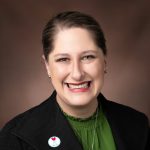
Catherine Kroll
Catherine Kroll, MPH, CIC, serves as the System Director of Clinical Research, Employee Health & Infection Prevention at PeaceHealth, a not-for-profit Catholic health system operating in Washington, Oregon, and Alaska. In this role, she leads infection prevention initiatives across multiple states, focusing on safeguarding patients, caregivers, and the community, especially during public health challenges like the COVID-19 pandemic. She oversees strategies to maintain the highest patient safety standards, coordinating closely with clinical teams and community partners to mitigate infection risks.
casmus@peacehealth.org
Eileen Kasda, DrPH, President SafeTower, Christine Robson, RN, Asa Adadey; Hidden in Plain Sight: Amplifying the Signals in Your Patient Safety Data
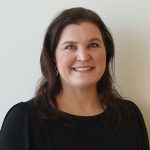
Eileen Kasda
Eileen Kasda, DrPH, MHS is a nationally recognized patient safety leader, innovator, and educator with nearly two decades of experience at the intersection of safety, analytics, and technology. As President and a founder of SafeTower, a Johns Hopkins Armstrong Institute spinout, and founder of the Healthcare Event Reporting Collaborative (HERC), she has dedicated her career to transforming how healthcare organizations detect, interpret, and act on patient safety risk. She conceived the vision for HERO and a growing suite of patient safety solutions that harness advanced analytics to transform how health systems gather, analyze, and act on safety data, and has dedicated herself to evangelizing next generation approaches to patient safety as a thought leader, speaker, and innovator. A thought leader who thinks ahead of the field, she challenges existing paradigms and builds the tools, communities, and coalitions necessary to advance a true culture of safety. Named to Becker’s Hospital Review patient safety experts list for three consecutive years, her work has earned recognition from ECRI and the Maryland Patient Safety Center. Dr. Kasda serves as a Johns Hopkins faculty member.
ekasda@safetower.com
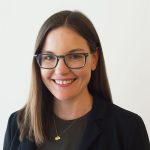
Christine Robson
Christine Robson, MSN, RN, is the Director of Products and Services at SafeTower and former Patient Safety Manager at Johns Hopkins Health System. She led the landmark rollout of HERO across all Johns Hopkins Medicine facilities beginning in April 2021, and has since played a central role in building SafeTower’s growing suite of patient safety solutions — including event reporting, patient complaints and grievances, and event investigation products. Christine bridges the gap between advanced analytics and real-world application, working closely with SafeTower’s data science team to ensure analytic capabilities are operationalized in ways that are intuitive and meaningful across diverse user needs. Her approach to integrating data across solutions is helping define a new standard for how the industry thinks about safety analytics. Christine holds a Master of Science in Nursing as an Adult-Gerontological Clinical Nurse Specialist from Johns Hopkins School of Nursing.
Crobson@SafeTower.com

Asa Adadey
Asa Adadey, MS, is a Data Scientist and Health Informaticist whose expertise spans natural language processing, machine learning, and mixed methods analytics applied to healthcare safety. His background ranges from genomics and systems biology to supply chain optimization, giving him a uniquely broad lens for identifying risk signals across complex datasets. He was instrumental in designing HERO at Johns Hopkins Health System and has since built the advanced analytic foundation underlying SafeTower’s growing suite of patient safety solutions — developing frameworks that integrate data across event reporting, patient complaints and grievances, and event investigation to surface insights that help leaders not just identify and respond to safety risks, but build more effective safety programs. Asa holds a Master of Science in Computational and Systems Biology from MIT.
aadadey@SafeTower.com
CANCELLED Erin Blakeney, PhD, RN: Co-Producing Safer Care Through Shared Knowledge: Adapting, Implementing, and Evaluating Interprofessional Patient- and Family-Centered Rounds to Improve Safety and Experience
Erin Blakeney PhD, RN is a nurse scientist whose research focuses on understanding and improving how patients, families, care teams, and health systems work together—with a particular emphasis on people living with serious and complex illnesses. Drawing on implementation science, interprofessional team science, and patient-oriented research methods, her work focuses on bridging gaps between evidence and real-world hospital care.
Dr. Blakeney has received grants from the National Institutes of Health (NIH) and other funders. This work has generated foundational knowledge about adapting, implementing, and sustaining interprofessional, patient- and family-centered rounding models for patients hospitalized with advanced heart failure. Her work integrates qualitative, quantitative, and health systems data to understand how care practices vary across settings — and how to improve them.
Dr. Blakeney is a Research Associate Professor at the University of Washington School of Nursing where she also co-leads the Team Science Core for the Institute of Translational Health Sciences. She collaborates closely with patients, families, and community partners to ensure her research reflects the perspectives of those it is designed to serve.
erin2@uw.edu
Farinaz Havaei, PhD, RN: From Staffing Shortages to Safety Solutions: Optimizing Nurse–Patient Alignment Through the Synergy Tool

Farinaz Havaei
Farinaz Havaei, PhD, RN, provided patient care as an RN for four years working on medical-surgical and rehabilitation units before embarking on an academic career. Dr. Havaei is currently an Associate Professor at the University of British Columbia School of Nursing (Vancouver), a Tier 2 Canada Research Chair in Strengthening the Health System, and Founder and lead of the UBC HOPE (Healthy Outcomes by Improving Patient and Provider Experiences) Lab since 2021. Dr. Havaei brings together a multidisciplinary team of researchers, trainees, clinicians, decision-makers, and patient and family partners to conduct research that responds to Canada’s public healthcare system priorities. To date, her program of research has been supported by many competitive grants from provincial and federal agencies, totaling $8M ($7.5M as PI or Co-PI) in funding, and she has been awarded several competitive awards including a Michael Smith Health Research BC (MSHRBC) Scholar award and the prestigious ‘Excellence in Advancing Nursing Knowledge and Research’ award by Nurses and Nurse Practitioners of BC.
Ivy Dacones, MBA, RRT - SMART Continual Readiness Program
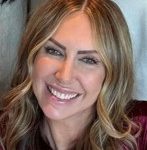
Ivy Dacones
Ivy Dacones, MBA, RRT, is Senior Director of Patient Safety and Regulatory Readiness at St. Luke’s Health System and a recognized subject matter expert in quality and regulatory readiness. She has led the implementation of a comprehensive regulatory readiness program, including the SMART continual readiness approach, acknowledged by The Joint Commission as a best practice. With a clinical foundation as a respiratory therapist and advanced training in health systems management and Lean Six Sigma, Ivy brings a unique blend of clinical expertise and operational discipline. She is a trusted advisor on regulatory interpretation and a passionate advocate for safety as the foundation of compliance. Known for her clarity, collaboration, and results-driven leadership, Ivy has consistently advanced high reliability practices and guided teams in responding to complex patient safety events across the health care continuum.
Ivy Dacones, MBA, RRT
St. Luke’s Health System
Sr. Director Patient Safety & Regulatory Readiness
Quality Center of Excellence
daconeiv@slhs.org
P 208-381-1395
Jerome Adams, MD, 20th US Surgeon General - Advancing Health in Turbulent Times, a Fireside Chat
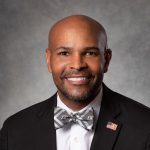
Jerome Adams, MD is a former Indiana State Health Commissioner and the 20th US Surgeon General, and currently serves as Executive Director of Health Empowerment Initiatives and the Center for Community Health Enhancement and Learning (HEAL) at Purdue University. In these roles he has promoted public policies to promote mental health and wellness, and address substance misuse.
As the 20th U.S. Surgeon General and a prior member of the President’s Coronavirus task force, Dr. Adams has been at the forefront of America’s most pressing health challenges. A regular communicator via tv, radio, and print, Dr. Adams is an expert not just in the science, but also in communicating the science to the lay public and making it relevant to various audiences.
adams616@purdue.edu
Jessica Yanny: Did you Catch That? Changing Culture through Good Catch Programs
Jessica Yanny-Moody is a Director, Quality at Kindred Healthcare Director of Quality Management, Seattle Kindred First Hill.
Previously, Jessica was an Associate Director, Safety & Quality at University of Washington Medical Center and also held positions at Froedtert & Medical College of Wisconsin.
Jessica received a Master of Science – MS degree from University of Wisconsin-Milwaukee and a Executive MBA from Western Governors University
jessica.yanny@kindred.com
Lori Handy, MD: Practical Strategies to Build Vaccine Confidence

Lori Handy
Dr. Lori Handy is an Associate Professor of Clinical Pediatrics at the Perelman School of Medicine at the University of Pennsylvania and an Attending Physician in the Division of Infectious Diseases at the Children’s Hospital of Philadelphia (CHOP). She received her medical degree from the University of Pennsylvania and then completed her residency in Pediatrics and fellowship in Pediatric Infectious Diseases at the Children’s Hospital of Philadelphia.
Her early career was rooted in clinical operations, including roles in Antimicrobial Stewardship and Infection Prevention and Control. Near the end of the pandemic, she turned her attention to vaccine education and became Associate Director of the Vaccine Education Center at CHOP. There, she works primarily to share science-based, current information about vaccines with providers through multimedia approaches, while also teaching how to best communicate this information to patients and families.
HANDYL@chop.edu
Rishika Selvakumar, MPH: Let’s Talk to Clients: Integrating a Patient Voice Framework in Mental Health as a Foundation for Patient Safety

Rishika Selvakumar
Rishika Selvakumar, MPH is a second-year PhD student at the University of British Columbia, specializing in youth mental health and health economics. She holds a BSc and a Master of Public Health, considering the intersection of ethics, policy, and sustainable health systems. Her key area of doctoral research is identifying how to prioritize youth voices and perspectives in how resources are allocated in the health system. Rishika has a longstanding interest in mental health, with over 10 years of experience working in non-profit, local, and provincial systems. She has previous experience working with the Fraser Health Authority, BC Mental Health and Substance Use Services, Anxiety Canada, and Canadian Mental Health Association. Her interest is based in both academic and advocacy work, along with from an intersection of lived experience. She is committed to providing support in a sustainable and efficient manner to improve mental health outcomes and sustainable health systems simultaneously, recognizing the strain health systems are currently facing.
rishika.selvakumar@ubc.ca
Shruti Gohil, MD, MPH: Electronic Tools in Infection Prevention: Practical Applications and Lessons Learned

Shruti Gohil
Dr. Shruti K. Gohil, a board-certified UCI Health specialist in infectious diseases, is the associate medical director for UCI Health Epidemiology and Infection Prevention. Her clinical interests include hospital epidemiology, infection prevention, communicable disease transmission and multidrug resistant organism infections.
She led the UCI Health response to the novel coronavirus pandemic, including the clinical and epidemiologic assessment of healthcare providers and patients, COVID-19 testing and vaccination, exposure definition and response, contact tracing, vaccination and infection prevention strategies to limit viral spread.
Gohil earned her medical degree and a master’s in public health from Tufts University School of Medicine in Boston, Mass. She completed an internal medicine residency at the UC Davis School of Medicine, followed by a clinical and research fellowship in infectious diseases at the Albert Einstein School of Medicine and Montefiore Medical Center in New York City.
The author or co-author of more than a dozen peer-reviewed publications, Gohil has focused her research on understanding what puts individuals and populations at risk for infectious diseases and ways to mitigate that risk as quickly as possible. This includes devising innovative ways to evaluate, detect and intervene in the spread of healthcare-associated infections. Her novel scoring system, which standardized how central lines are assessed, changed clinical responses and dramatically reduced infection risk at participating hospitals, clinical facilities and nursing homes. She also has led statewide population studies to help reduce the risk of infection-related hospital readmissions and sepsis.
She currently leads several national studies to assess patient risk for multidrug-resistant bacterial infections and to prompt physicians to limit the use of extended-spectrum antibacterial drugs in real time. These include the INSPIRE Demonstration Project, which was recently accepted by the National Institutes of Health Pragmatic Trials Collaboratory, a portfolio of large-scale clinical trials embedded in U.S. healthcare systems. Two randomized INSPIRE clinical trials now underway aim to improve antibiotic prescribing for patients who are hospitalized with abdominal or skin and soft-tissue infections.
skgohil@hs.uci.edu
Terry Fairbanks, MD, MS: How Can We Accelerate the Trajectory of Safety Progress in Healthcare

Terry Fairbanks
Rollin J. “Terry” Fairbanks MD, MS, is senior vice president and chief quality & safety officer at MedStar Health, and professor of emergency medicine at Georgetown University. He is responsible for clinical quality, patient safety, infection prevention, and health equity at MedStar Health, a 10-hospital academic healthcare system in the Baltimore/Washington DC region. Dr. Fairbanks started his career as a safety scientist, focused on human factors and safety engineering, and later became an emergency medicine physician. In 2010 he founded MedStar Health’s National Center for Human Factors in Healthcare. He has authored more than 200 publications and edited a book on healthcare safety and human factors engineering. Previously served in safety advisory roles for the United States, British, Spanish, and Australian governments, including FDA advisory roles. A former paramedic and general aviation pilot. Dr. Fairbanks is an elected Fellow in the Human Factors and Ergonomics Society, appointed member of the National Academies of Sciences Engineering and Medicine Board on Human-Systems Integration, Chair of Board, Certified Patient Safety Professionals (CPPS). He is a recipient of the 2021 Robert Wears Safety Leadership Award and the 2025 Joint Commission/NQF Eisenberg Award for Individual Achievement in Quality and Safety.
Thomas Gallagher, MD, MACP, Naomi Kirtner, Jeff Goldenberg, MD, Lauge Sokol-Hessner, Caitlin Harrington, MD, JD: You Can Hear Me, But Are You Listening? CRPs as a response to harm: Has anything changed?

Thomas H. Gallagher
Thomas H. Gallagher, MD, MACP is a general internist and Executive Director of the Center for Harm Response. He has authored more than 160 peer-reviewed articles and book chapters in leading journals, focusing on the intersection of healthcare quality, patient safety, communication, and transparency. In 2017, his work advancing Communication and Resolution Programs was recognized with the receipt of the John M. Eisenberg Patient Safety and Quality Award for Individual Achievement, presented by the National Quality Forum and The Joint Commission.
Dr. Gallagher has faculty appointments at the University of Washington (Professor of Medicine and Professor of Bioethics & Humanities) and at Johns Hopkins University (Research Professor, Johns Hopkins Berman Institute for Bioethics).
Dr. Gallagher earned his medical degree from Harvard University, completed his Internal Medicine residency at Barnes Hospital, Washington University in St. Louis, and trained as a Robert Wood Johnson Clinical Scholar at the University of California, San Francisco.
Jeff Goldenberg, MD, Board President and Founder, Talia’s Voice. Talia’s father, Jeff, is well-acquainted with the way medicine is practiced in North America, having been a doctor for almost 30 years. Jeff completed a residency in Family Practice at McGill University in 1990 and worked as a family physician with Oregon Medical Group in Eugene, Oregon (where he variously sat on the board, chaired the IT Committee, the Patient Care Committee and the Operations Committee) from 1991 until Talia’s death in 2014. As a father and a doctor, Jeff’s voice carried no weight when he tried to advocate for Talia and get her medical providers to pay attention to the care she needed (care that would have saved her life). Jeff is now on a mission (along with Talia’s mother, his wife Naomi) to get medical, administrative, and support staff to listen, hear, believe and act on behalf of their patients so that no other patient experiences the kind of unnecessary death Talia did, and no other parent experiences the kind of devastating loss that he and Naomi have. He misses his daughter Talia beyond measure, certainly beyond what words can describe.
Naomi Kirtner, Founder, Talia’s Voice started Talia’s Voice with her husband, Dr. Jeff Goldenberg, after their daughter Talia died from medical errors. Naomi is a devoted mother to six-minus-one: two she gave birth to, two who joined the family nearly 20 years ago after their mother committed suicide, and two she adopted from Ethiopia in 2010. Naomi completed a Master’s program in Counseling Psychology at UBC in 1988, and every one of her children has experienced serious and lasting trauma, so she is comfortable with and well-versed in topics related to grief, death, anger, resilience, heartache, and loss. She has also accrued a wealth of experience—sometimes for better and often for worse—in hospitals across North America, most often as an advocate for members of her family. In her role as a patient advocate, Naomi currently sits on multiple committees at the Collaborative for Accountability and Improvement, and is on the Planning Committee for the annual Northwest Patient Safety Conference. She believes that genuine human connection leads to meaningful relationships—and is key to reducing medical harm. Naomi misses Talia terribly, every minute of every day.
Lauge Sokol-Hessner, MD, CPPS, is a hospitalist and Deputy Director for the Center for Harm Response. In his role he co-develops the Center’s educational programs and practical tools, leads national post-harm measurement efforts, produces scholarship, synthesizes the evidence about harm response, mentors emerging leaders in the field, and supports the Center’s growth and operations.
Dr. Sokol-Hessner is an Associate Professor of Medicine at the University of Washington, QI Mentor at the UW Medicine Center for Scholarship in Patient Care Quality and Safety, speaker and consultant for the Institute for Healthcare Improvement, and a guest speaker for the Harvard Medical School Masters in Healthcare Quality and Safety (HMS MHQS). He completed medical school and residency at the University of Pennsylvania, and has operational quality & safety experience as a former Senior Medical Director of Patient Safety at Beth Israel Deaconess Medical Center. Beyond harm response, he regularly teaches about healthcare quality, patient safety, and leadership, championing patient and family engagement, ethics, humanism, and respect in health care.
Caitlin Harrington, MD, JD, is a practicing internal medicine physician and attorney based in Seattle, specializing in advising healthcare institutions on harm event response and Communication and Resolution Program (CRP) design. Drawing on dual expertise in medicine and law, she guides organizations in implementing reliable CRPs grounded in empathy, respect, and transparency.
Caitlin engages in both institutional and policy initiatives to advance CRP adoption nationally. She believes CRPs are the future of harm response in healthcare and works to encourage their use across the country.
Regional Collaborators

Silver Supports


Bronze Supporters





Supporters of Patient Safety
We are pleased to invite interested sponsors to support our 23rd Annual Conference
As a sponsor you are helping to subsidize the cost of the conference to healthcare staff and provide free attendance to patients, families, and students.
- All sponsors will be recognized on the Washington Patient Safety Coalition website and marketing materials with sponsor logos linking to a webpage of your choice.
- Your visibility extends for a full year, not just during the live event.
- Platinum, Gold, Silver and Bronze sponsors have access to a dedicated page on the conference website which can include images, videos, links, etc.
- Speaker introductions are available.
Below are suggested sponsorship levels. Details of package benefits are described in the application.
Sponsorships are not limited to these. Contact slevy@qualityhealth.org to discuss your support!
- Platinum Sponsor – $10,000 (1 available)
- Gold Sponsor(s) – $7,500 (3 available)
- Silver Sponsor(s) – $5,000
- Bronze Sponsor(s) – $2,500
- Supporter(s) of Patient Safety – $1,500
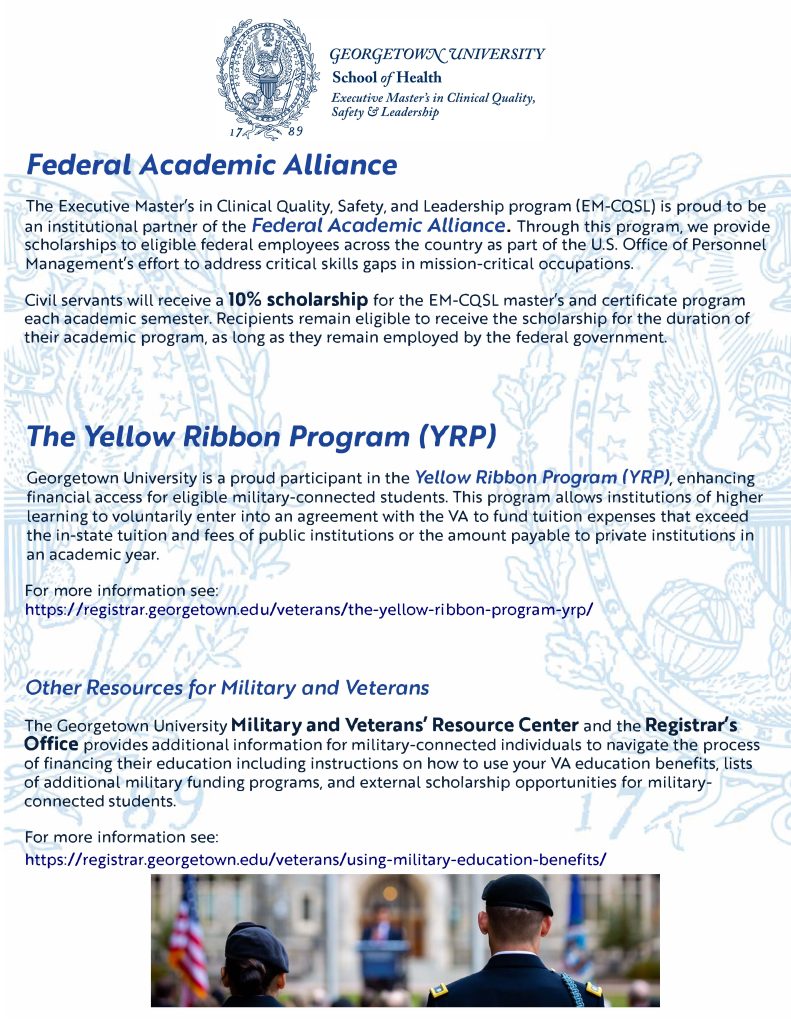
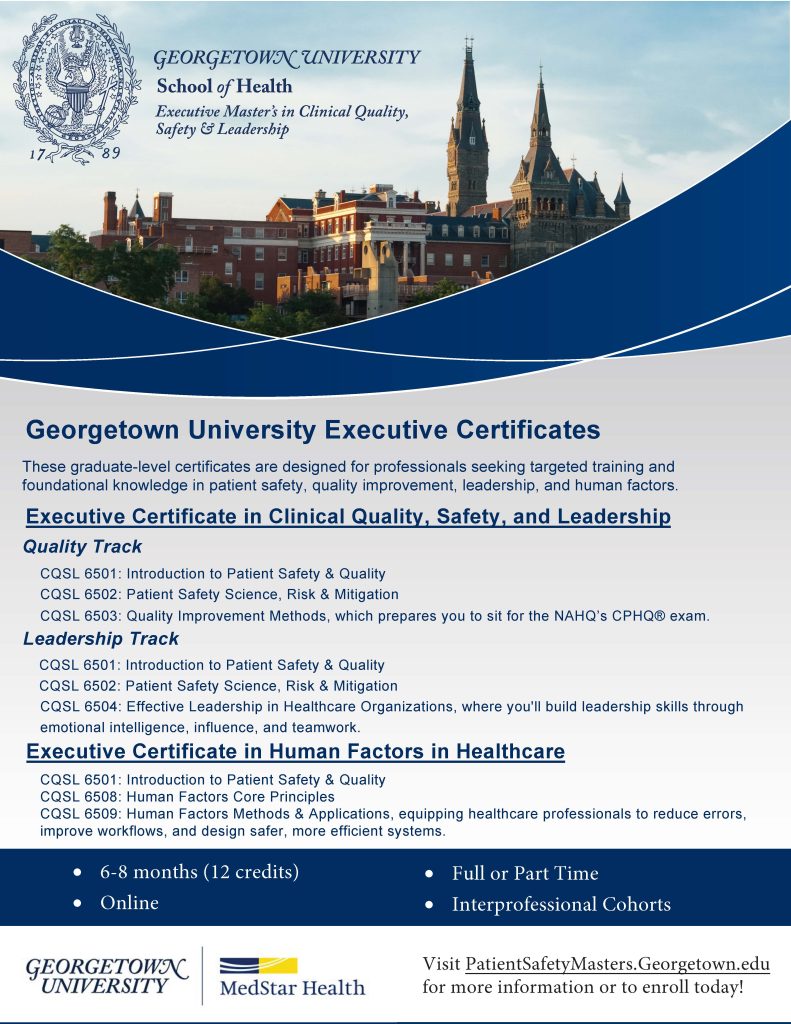
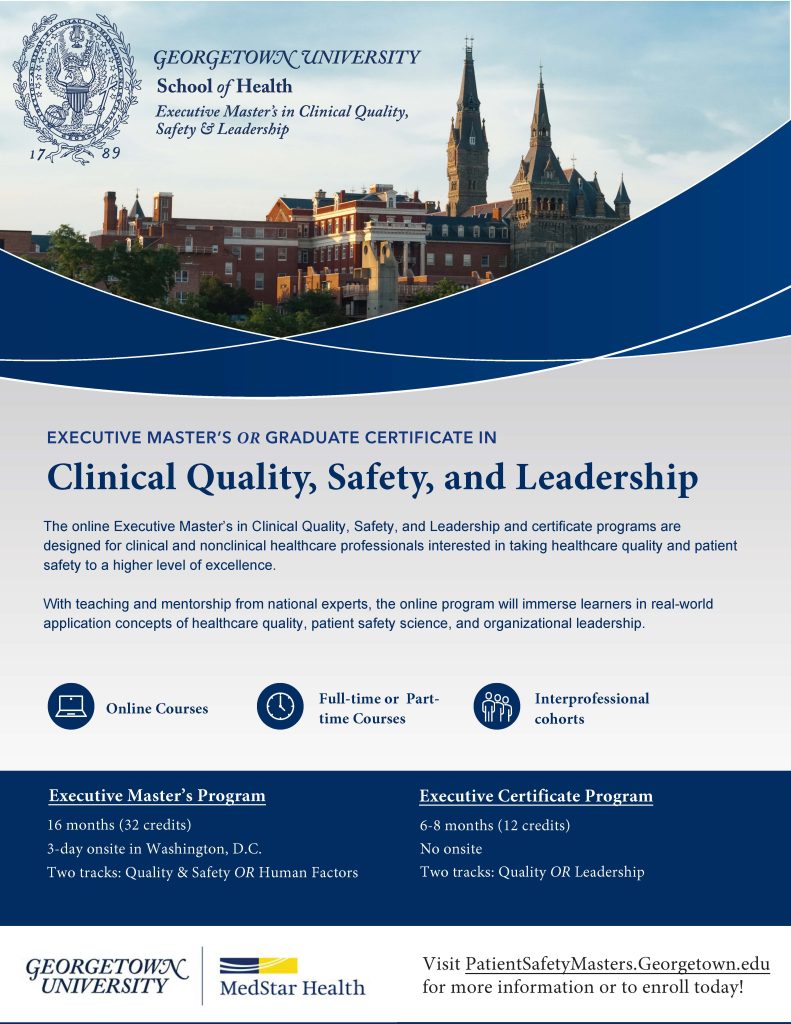
MedStar Health/Georgetown University Executive Master’s in Clinical Quality, Safety, and Leadership
Downloadable PDF version here: AGENDA
DAY 1 - Thursday, October 15, 2026, 8:00 A.M. - 1:00 P.M. (PST)
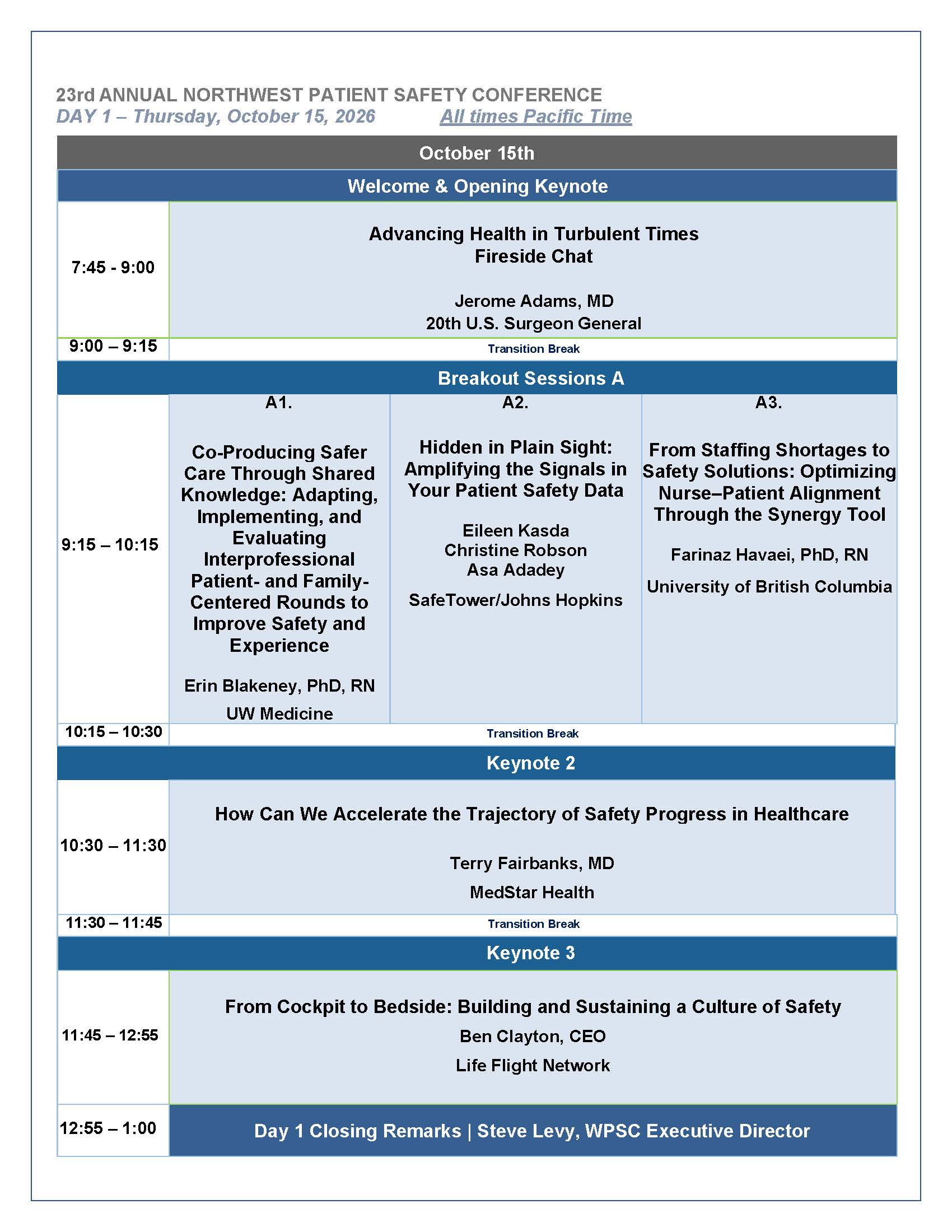
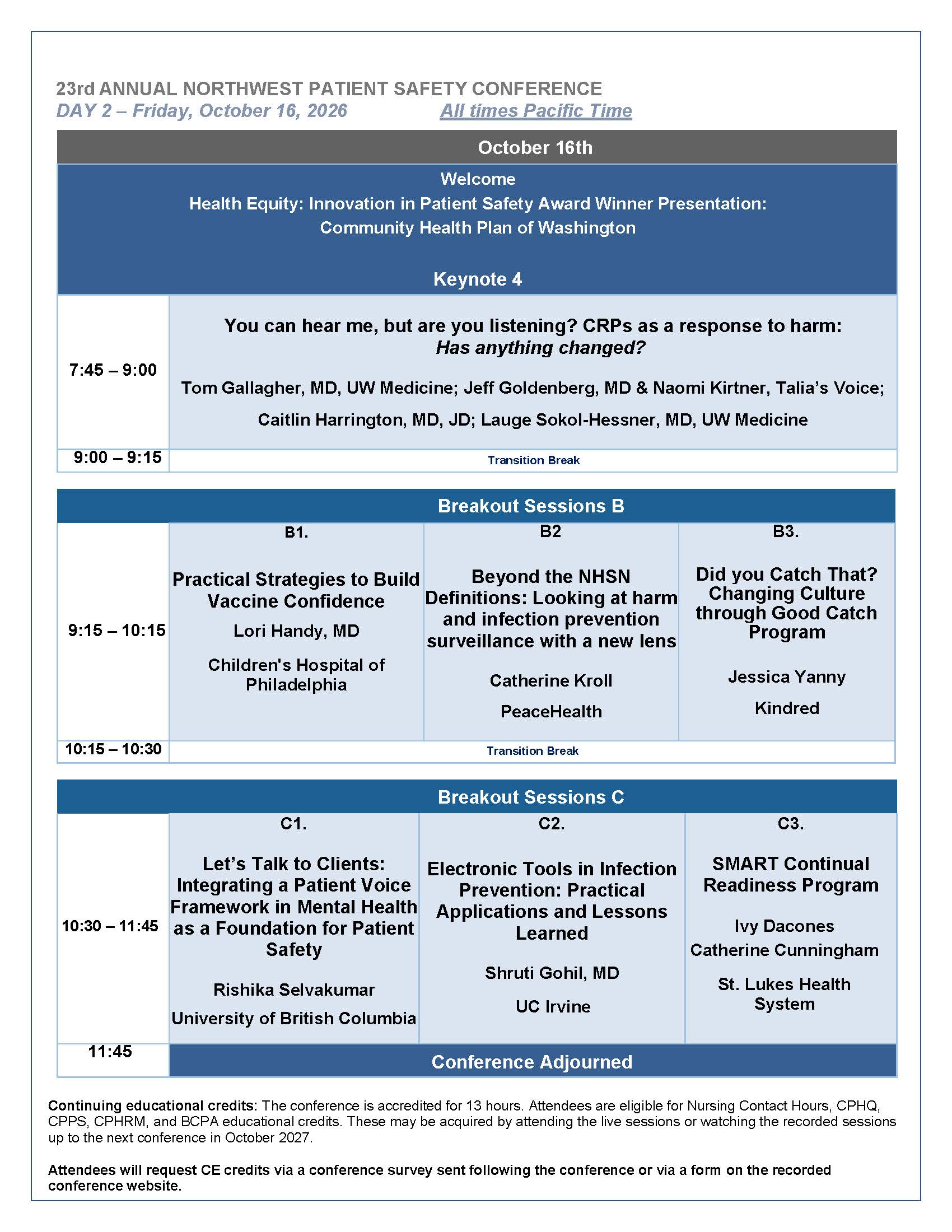
DAY 2 - Friday, October 16, 2026, 8:00 A.M. - 11:45 A.M. (PST)
WELCOME TO THE 2026 23rd ANNUAL NORTHWEST PATIENT SAFETY CONFERENCE!
On the day of the meeting, click on the button above to enter the event portal. To gain access, you will be required to enter your attendee confirmation code that you can find at the very bottom of your registration confirmation email OR by clicking HERE to recover your code. If you have any trouble getting in, please contact Amelina Kassa at 206-204-7384.
ART SPEAKS
Art is powerful & empowering!
WPSC’s Addressing Health Equity, Stigma & Bias Workgroup is featuring artwork as a powerful way to connect with patients’ experiences with health conditions.
Art is not only beautiful, it is a potent medium of expression. Evocative and compelling, it touches the soul and connects in a way no other medium can.
Featured artwork includes art and poetry by PNW residents. Big thank you to the artists for sharing their compelling pieces with us.
**************************************************************************************************************************************************************************
Visual Art
**************************************************************************************************************************************************************************

ART PIECE: Black Sheep
Click here for a video showing the making of this piece
ARTIST NAME: Louie Gong
Click here for artist’s biography and link to Eighth Generation.
ARTIST INFO: Louie Gong (Nooksack) is the founder of Eighth Generation. A self-taught artist who was raised by his grandparents in the Nooksack tribal community in northwest Washington, he got his start by painting cultural art on shoes.
Realizing that creating one-of-a-kind pieces did not provide a sustainable pathway to success, he began applying his artwork to accessibly priced products. His unique style merges traditional Coast Salish art with influences from his mixed heritage and urban environment to create work that resonates widely across communities and cultures.
Black Sheep is about drawing power from past experiences— even traumas. It is about self-care.
“I’ve been thinking about the term baggage, and it’s all wrong. When we think about our past experiences as something we can just put down, we can’t actually heal. The real pathway to becoming stronger and more confident versions of ourselves is to learn to live in symbiosis with our past experiences.”
The Black Sheep’s body is composed of Louie’s signature wolf-mouth motif, which he uses here to symbolize negative past experiences. It is painted loosely to indicate the frequent movement of and the idea that our past experiences are living parts of us that we can’t simply set down as if they were “baggage.”
By contrast, the Black Sheep’s face is composed of highly structured Coast Salish design elements to indicate the self-confidence drawn from the understanding that past experiences make us better equipped to manage whatever lies ahead. A few understated sprouts indicate constant growth regardless of what we are experiencing.
__________________________________________________________________________________________________________________

ART PIECE: Bleed Joy
ARTIST NAME: Tahira Naqvi
ARTIST INFO: I am a new artist venturing out to create artwork that speaks to mental health struggles. Childhood trauma is a big factor in my art, which is abstract and comes from the heart. It delves into deep wounds and the quest to achieve joy through self-reflection. I speak through colors and shapes that represent this journey of self-healing.
When I started on this piece, I did not know what to create, but I knew I wanted to display my pain, my joy, and my journey. So, I faced the canvas and decided to just let it flow. This piece has chaos, joy and a dark passenger. All representing the struggle between my child and adult selves. There is a hot air balloon. When I was little, I always wanted to escape. One day, I took my mom’s large shoe box and tied her red scarf to its four ends, after which, I walked out to our balcony and tried to leap off to go explore the world. Except, my grandfather saved me.
I have a natural instinct to leap forward and escape. It took cycles of anxiety to create this very personal piece. “Bleed Joy” is for everyone dealing with mental chaos and anxiety in their lives. My hope is that, by putting this out there, I will finally heal and find contentment.
_________________________________________________________________________________________________________________

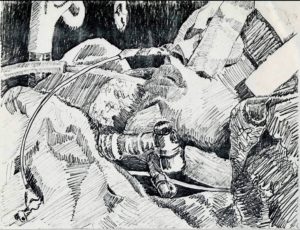
ART PIECE: Untitled
ARTIST NAME: Munira Leslie Sinclair
ARTIST INFO: Munira Leslie Sinclair was a talented visual artist, eloquent writer & devoted mother to her children, including an adult son with severe traumatic brain injury (TBI). Much of her artwork was inspired by her struggles through some very difficult times as well as the unrelenting challenges of trying to ensure quality care for her son with special needs, in a system not well set up for patients like him. A passionate patient advocate, she worked to improve the lives of those with TBI through legislation & advocacy training. While she faced adversity & bouts of cancer with fortitude, art was her outlet.
Leslie passed away on September 30, 2022. Special thanks go to her daughter, Jennifer, who has given WPSC’s Addressing Stigma & Bias Workgroup permission to share these 2 pieces with our audience.
_________________________________________________________________________________________________________________
ART PIECE: Safe Space
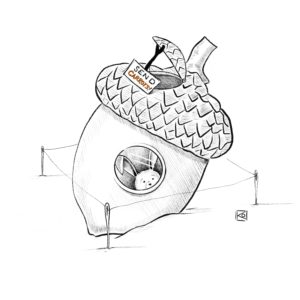
ART PIECE: Trapped
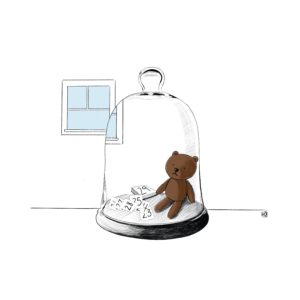
ART PIECE: Underwater

ARTIST NAME: Kaycia Ogata
Click here for artist’s biography and link to Eighth Generation.
ARTIST INFO: Kaycia Ogata is a graphic designer and illustrator, living and working in Portland, Oregon. Art has always been a form of therapy for her, as she lived with some depression and anxiety from a young age. Not being able to form the words she needed, she drew them. Underwater was created in remembrance of her mother’s passing when she was a child, and that sense of wanting to retreat deep into the ocean. Safe Space and Trapped were both created at the start of the pandemic, when the entire world locked down, capturing that sense of fear, isolation and uncertainty. More of her work – including design – can be found on her website
_________________________________________________________________________________________________________________
ART PIECE: Freed: Dawning, Lightened, Lifted

ART PIECE: Bangau

ARTIST NAME: Baacooly
ARTIST INFO: Baacooly is a self-taught artist hailing from a small town in culturally rich Penang, Malaysia. She creates her art pieces in watercolour with a little mixed media thrown in. Female characters are her preferred subject matters, painted in the surreal style. They are often portrayed as seemingly lost in thought. She draws inspiration from her own experiences in life and whatever is tugging at her heart the most when she is working on her creations. Rather than explain her thoughts behind each piece, Baacooly prefers for her audience to draw their own conclusions & conjure their own stories when they view her paintings. More of her work can be found on her website
_________________________________________________________________________________________________________________
ART PIECE: Beauty in Sharp Pain
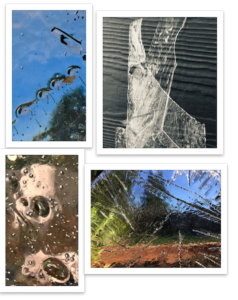
ART PIECE: Body and Mind

ART PIECE: Feel See
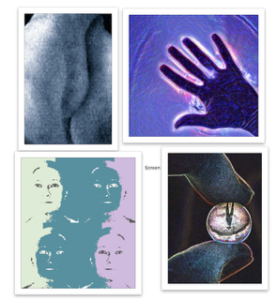
ART PIECE: Simplicity of Complexity
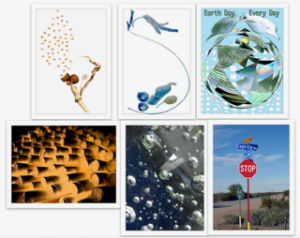
ARTIST NAME: Marcía A.
ARTIST INFO: None submitted
**************************************************************************************************************************************************************************
Poetry
**************************************************************************************************************************************************************************
EVERYTHING CHANGES
Everything is touched
by the sea of time.
We are life forms
on the shore
of existence.
No matter how you try
to be immovable,
time moves you.
It caresses you,
lulls you,
embraces you.
Just as you’re buoyed
into a comfortable slumber,
it snatches you,
pulls you out
& swallows you.
It swirls you around
& sucks you in.
Then,
just as suddenly,
it floats you,
breathless,
onto its surface.
The winds of change
calm to a whisper.
You feel it
cushioning you,
as you lay
adrift
with your face to the sky.
Then it stirs,
picks you up,
carries you
on a wave;
pushes you forward,
races you
back to shore
& deposits you,
gently,
onto the sand.
Glistening in the sun,
you catch your ragged breath. And settle down.
Before long,
you’re feeling the breeze
on your face,
looking up at the stars
& thinking:
I could stay like this forever.
You inhale the stillness…
Then it wakes you
from your reverie.
It foams
at your feet,
kissing your toes,
nudging you.
It teases you
into motion.
Slowly,
you move to the tide’s rhythmic touch,
sway to its hypnotic gyrations
& join,
again,
the dance of life.
—
Tomorrow becomes today.
Today becomes yesterday. Yesterday is but a memory.
Did we remember to live in today?
© 2020 Anita Sulaiman
POEM TITLE: Everything Changes
ARTIST NAME: Anita Sulaiman
ARTIST INFO: Anita Sulaiman is Principal Consultant and Executive Coach at IBEX Consulting, whose areas of expertise include strategy, leadership development, marketing and change management/business process re-engineering. Anita is also a culture coach specializing in cultural competency and cross-cultural communication. Helping individuals and organizations excel in a global world is a passion.
Anita stays at the forefront of efforts to improve patient safety, serving on advisory groups and committees for organizations including the Washington Patient Safety Coalition, Foundation for Health Care Quality (Patient & Family Advisory Council) and Washington State Coalition for Language Access. She is Chair of the Addressing Stigma and Bias Workgroup, a partnership between WPSC and the Bree Collaborative, a healthcare non-profit established by the Washington State Legislature.
Everything Changes was written at a time of emotional turmoil. In the midst of personal upheaval, thanks to the practice of meditation to help with her mental health, this poem about the vagaries of time captures moments of clarity from seeing that change, while invariably very stress-inducing, are part of the ebb & flow of life.
MOTHER
Mother
You are & you aren’t her
You’ve had to be mother & father
Did you know – you were the world to me?
Your eyes the window through which I see
Mother
Not a word to use in vain
So why are you my biggest source of pain?
You are the reason I am here
You are the idea I hold dear
What is this figure?
We call mother
What is this idea?
No other thing comes near
She is a hug
A warm embrace
Someone who’s there to kiss your face
To hold your hand
To wipe your tears
She’s there to chase away your fears
She is the reason
You stand strong
Can tell the difference between right & wrong
She is your shelter
From the storm
The well you get your reassurance from
At least that’s what
Everyone seems to think
They don’t know yours pushed you to the brink
Put you down
And cast you out
Always wished she could’ve done without
Mine gave me a bit of love
And a lot of hate
Served honey & poison on the same plate
Was never there
To kiss my face
But she made sure I always knew my place
I had no shelter
From storms or even rain
What I had
Would drive most people insane
There was no one
To wipe away my tears
I had someone filling my heart with fears
While you had hugs
Someone to hold your hand
I had to figure out where I stand
You always knew
Where you belong
All I was ever told was I was wrong
Wrong to want
To ask or to question
To live for others – that is my mission
You had wind beneath your wings?
Me?
Who am I to have needs or feelings?
While you had kisses
A friend & all
Someone to catch you when you fall
I had no right
To be happy
Yes, that was what she said to me
So don’t tell me
How I’m supposed to feel
You don’t know what for me is real
Don’t bother
To pile on the guilt
That’s the foundation on which I was built
All that said
Good comes with bad
She’s the only mother I’ve ever had
The person
Who instilled in me
All the good things that to this day you see
She taught me
Through trial by fire
How to prevail & always aim higher
Yes, I suffered
A million cuts
I also have the biggest heart of hearts
Mummy
If you only knew
All the love I have in my heart for you
To me
You gave birth
Yet for some reason
You don’t know my worth
I am
Pure love
A blessing
A gift from the Lord above
That is what babies are
Not a thing comes close
Not even by far
Today
I make peace
With all that was, will be & all that is
I can’t forget
But I forgive
You were only doing your best to live
In return
These things I ask
No more pretenses
Take off your mask
It’s time
Let go
Set yourself free
From who you think you’re supposed to be
I am trying
To do the same
Life is too short
For anger or for blame
I hope you see
That just like you
I am human
I’m doing my best too
All my life
Through all the hurts
I’ve been held to impossible standards
Now I know
It’s clear to me
Those high bars
Were what you were made to see
On this day
I hereby purge
I release
So we both can finally have peace
From here on
May we know
Acceptance
And a better tomorrow
Happy Mother’s Day.
© Anita Sulaiman 2023
POEM TITLE: Mother
ARTIST NAME: Anita Sulaiman
ARTIST INFO: Anita Sulaiman is Principal Consultant and Executive Coach at IBEX Consulting, whose areas of expertise include strategy, leadership development, marketing and change management/business process re-engineering. Anita is also a culture coach specializing in cultural competency and cross-cultural communication. Helping individuals and organizations excel in a global world is a passion.
Anita stays at the forefront of efforts to improve patient safety, serving on advisory groups and committees for organizations including the Washington Patient Safety Coalition, Foundation for Health Care Quality (Patient & Family Advisory Council) and Washington State Coalition for Language Access. She is Chair of the Addressing Stigma and Bias Workgroup, a partnership between WPSC and the Bree Collaborative, a healthcare non-profit established by the Washington State Legislature.
Mother’s Day is a tough one for me. This year, I struggled as I did in previous years. Except, this year, my mother, who recently turned 80, is very ill. Her condition has intensified for me all the emotions tied to her. This poem is dedicated to all who can relate.
Usually, the words just come. I have to scribble quickly & I am done. This time, I struggled. The words wanted to come out, but… Something in me resisted. I had to fight to let these truths out. To give them the light of day felt like giving my pain validity.
Writing down these words meant staring my trauma in the face. It meant ripping off the plaster. In the end, it was exactly what needed to be done. This is validation I needed to gift to myself. I am giving myself long overdue permission to feel, to acknowledge. It is what it is. No matter what people say, it’s ok. It’s not right, but it’s ok. With that realization comes release.
My poems are medicine to me. Sometimes they are light that shows the way – guidance from a place of pure love. Now I can start to heal, God willing.
This is my art; my outlet; expression from the deeper parts of me. This is my balm; my inspired remedy. This is healing for my soul. Poetry, for me, is all that & more. It’s my connection with the Divine. It is divine.
_________________________________________________________________________________________________________________
WHO AM I TRYING TO BE?
Who am I? Who am I trying to be?
Not myself, anyone but myself.
Living in a fantasy to bury the reality,
Making myself the mystery,
A strong facade disguising the misery.
Empty, but beyond the point of emptiness,
Full to brim with fake confidence,
A guard that will never be broken,
Because I broke a long time ago.
I’m hurting but don’t tell anyone.
No one needs to know.
Don’t show or you’ve failed.
Always okay, always fine, always on show.
The show must go on.
It will never stop.
The show must not go on,
But I know it will.
I give up. I give up giving up.
I am lost.
I don’t need to be saved,
I need to be found.
POEM TITLE: Who Am I Trying To Be?
ARTIST NAME: Cara Delevingne
ARTIST INFO: Cara Delevingne, actress and model, shares her personal experiences with anxiety and depression.
_________________________________________________________________________________________________________________
Mountain’s Echo
I called into the mountain once,
expecting silence
to reply.
Instead,
my words came rushing back,
like birds across the sky.
It made me wonder
how much of life
returns by what we say.
Perhaps that’s why
kindness echoes too,
long after
we’ve walked away.
POEM TITLE: Mountain’s Echo
ARTIST NAME: MADELEINE MCDOWELL
ABOUT THE ARTIST:
Madeleine McDowell is an eighteen-year-old writer, mountain lover, and believer that there is light to be found in every wander. Cheerful and always searching for beauty in the ordinary, she finds joy in mountain trails at sunrise, quiet conversations with God, and the people who make her laugh.
She has been writing for as long as she can remember, but after losing her dad to brain cancer at a young age, she lost the passion for many of the things she once loved. She began writing again, discovering that poetry could hold the feelings she didn’t yet know how to speak.
Madeleine believes that while time alone doesn’t heal, what we choose to do with our time can. Her experiences taught her to treasure ordinary moments and search for the light that quietly exists, even in life’s darkest seasons. That belief inspired The Light in Every Wander
Madeleine dreams of traveling the world, climbing mountains, surfing and living a life rich in purpose rather than routine.
Above all, Madeleine hopes she isn’t remembered as the girl with the broken heart, but as the girl who found a way through it and left the light on for those still finding theirs.
© 2026 Foundation for Health Care Quality | Privacy Statement | Disclaimer